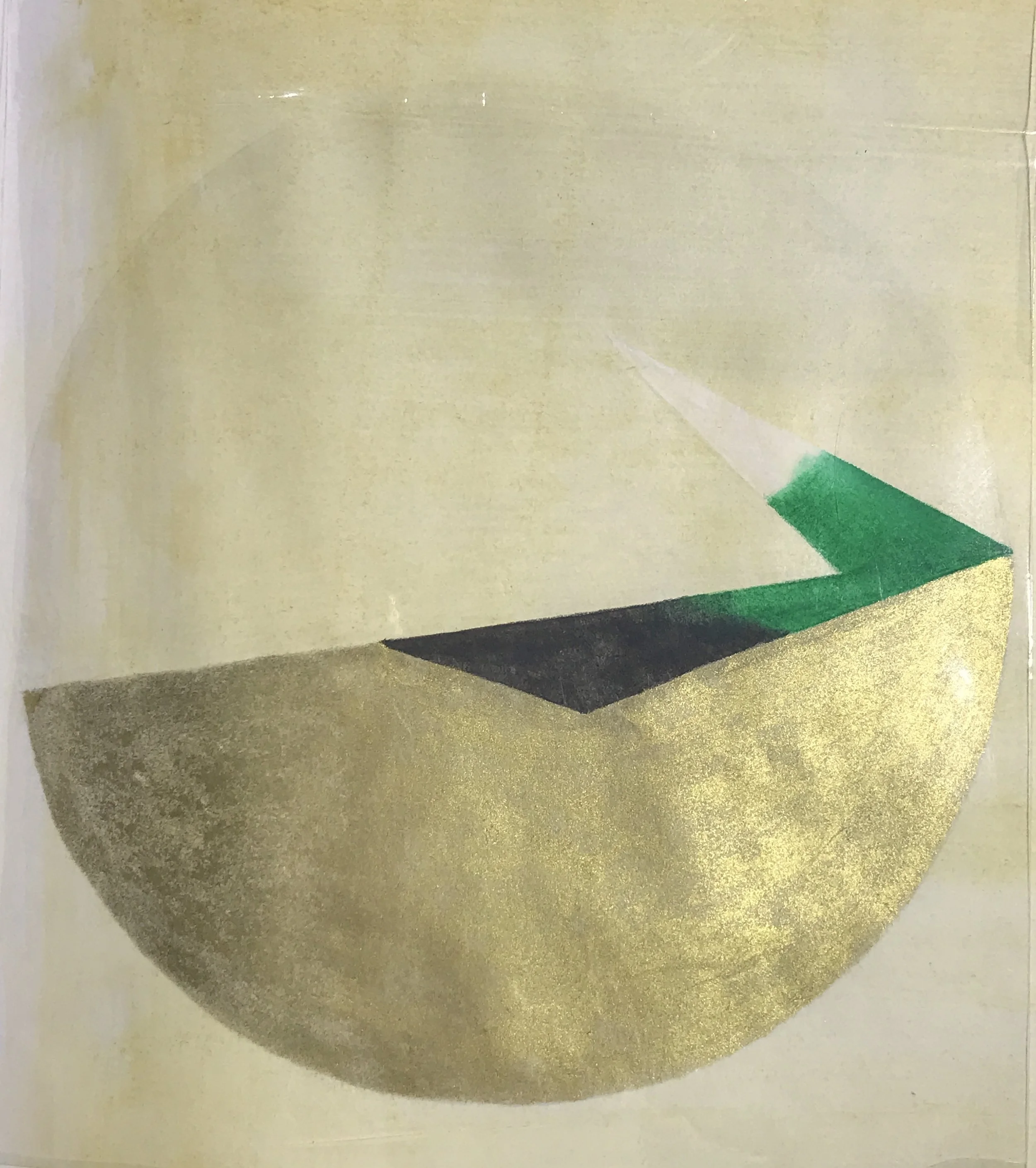
Spiritual Abstraction
Last fall, I came across a stunning image of a Laura Lit drawing in the New York Review of Books, referring to her as a spiritual abstractionist.
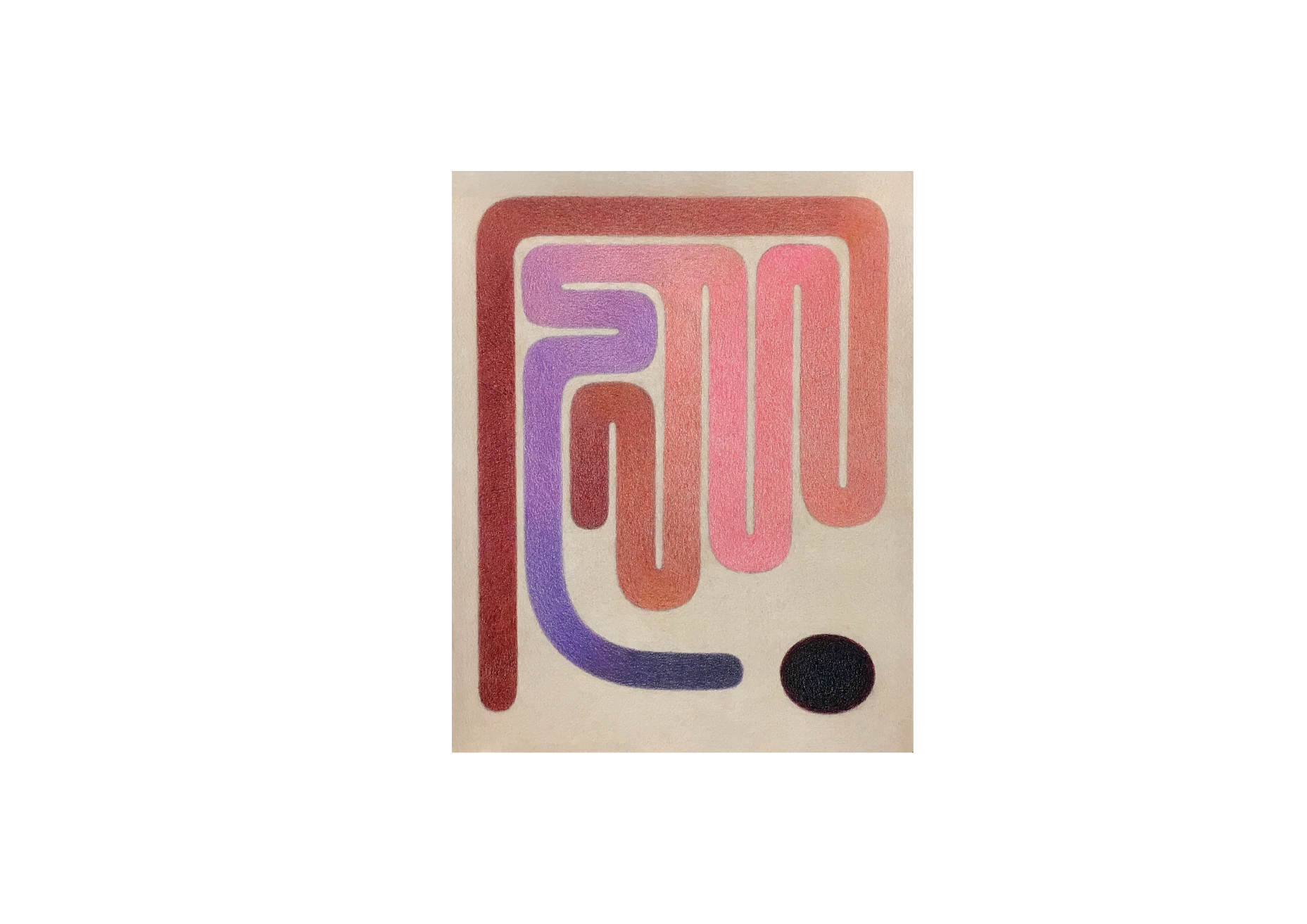
“Glyph”. Laura Lit. 2020 | colored pencil on paper - 9.5” x 11”
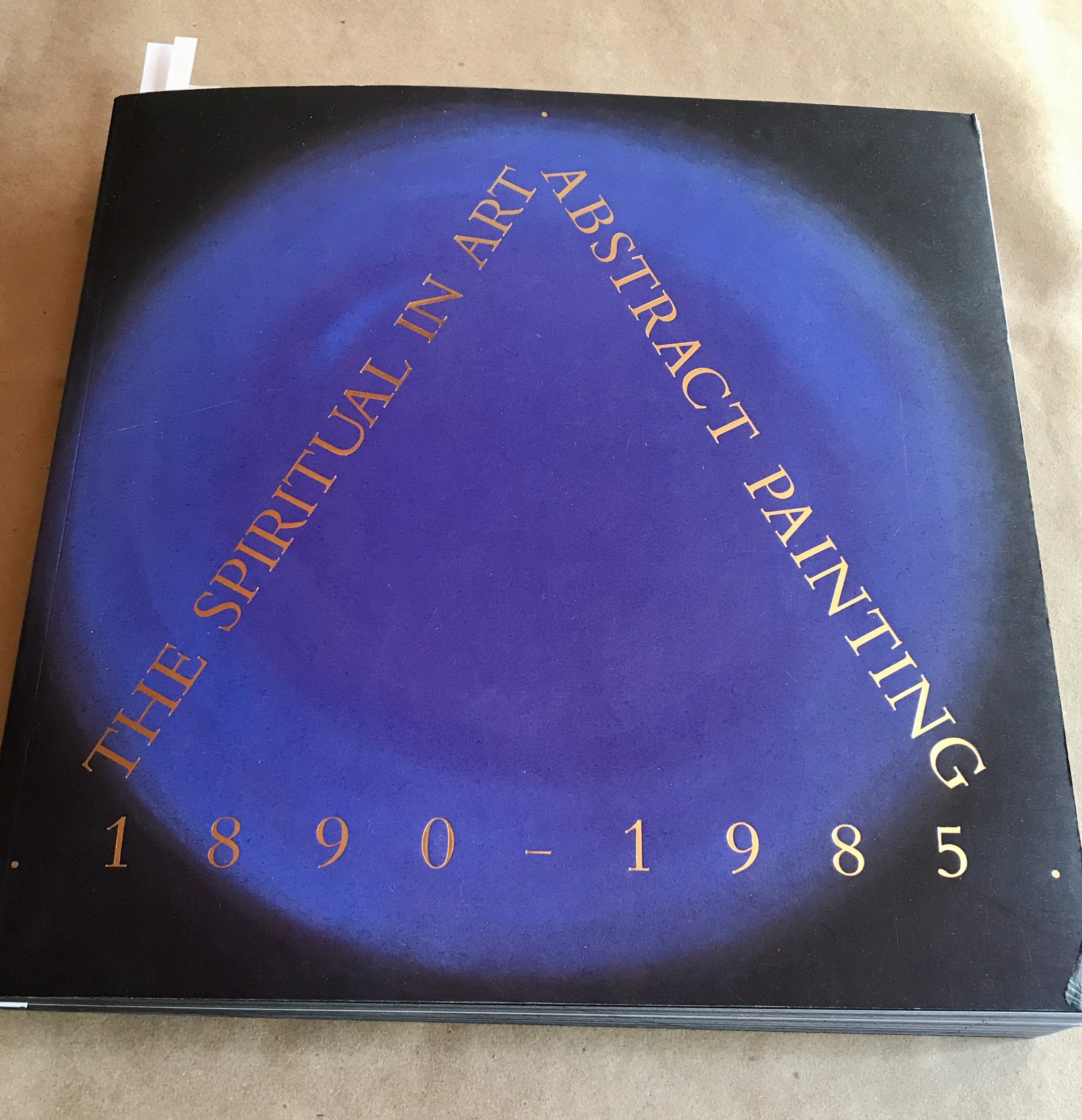
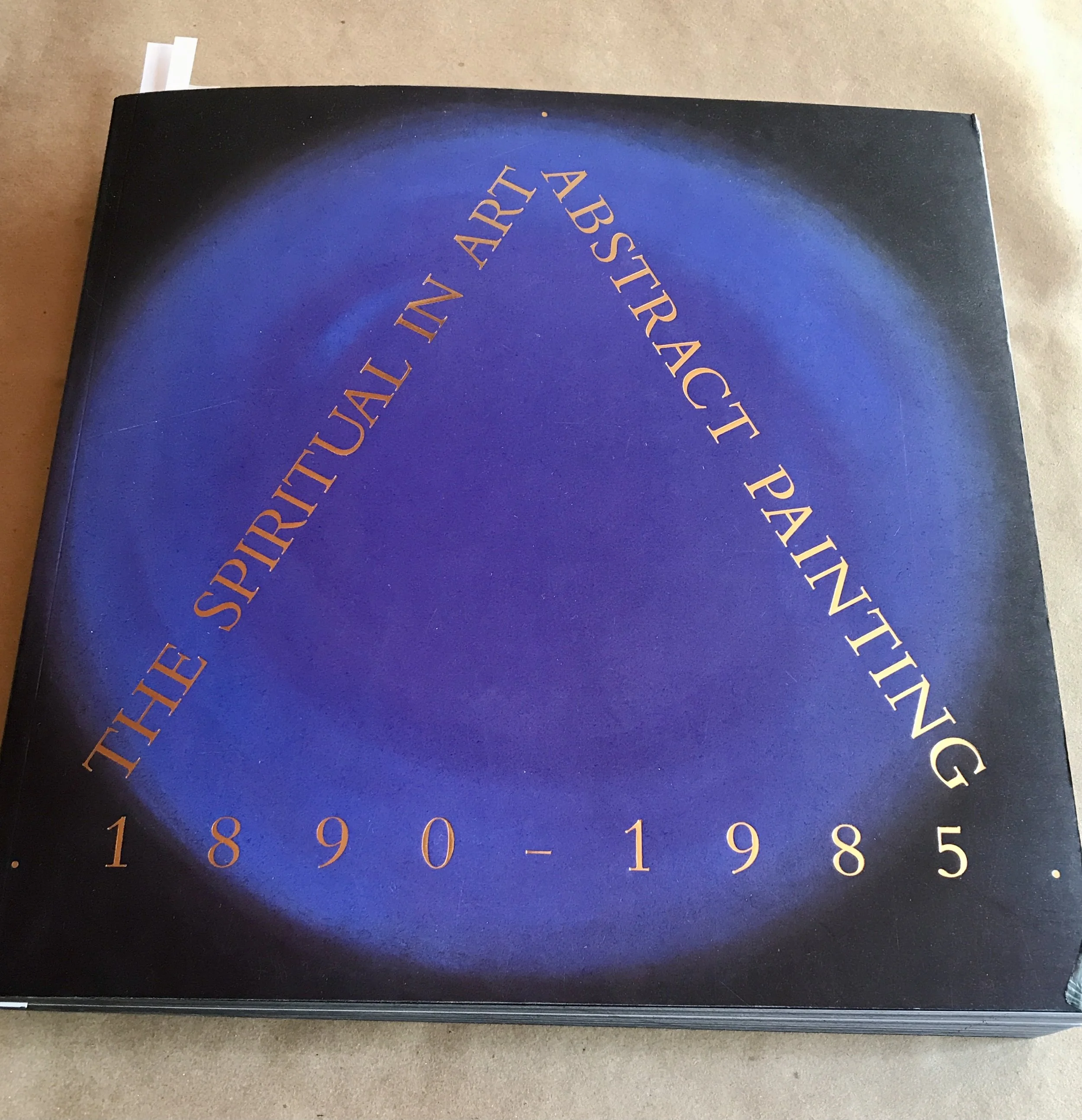
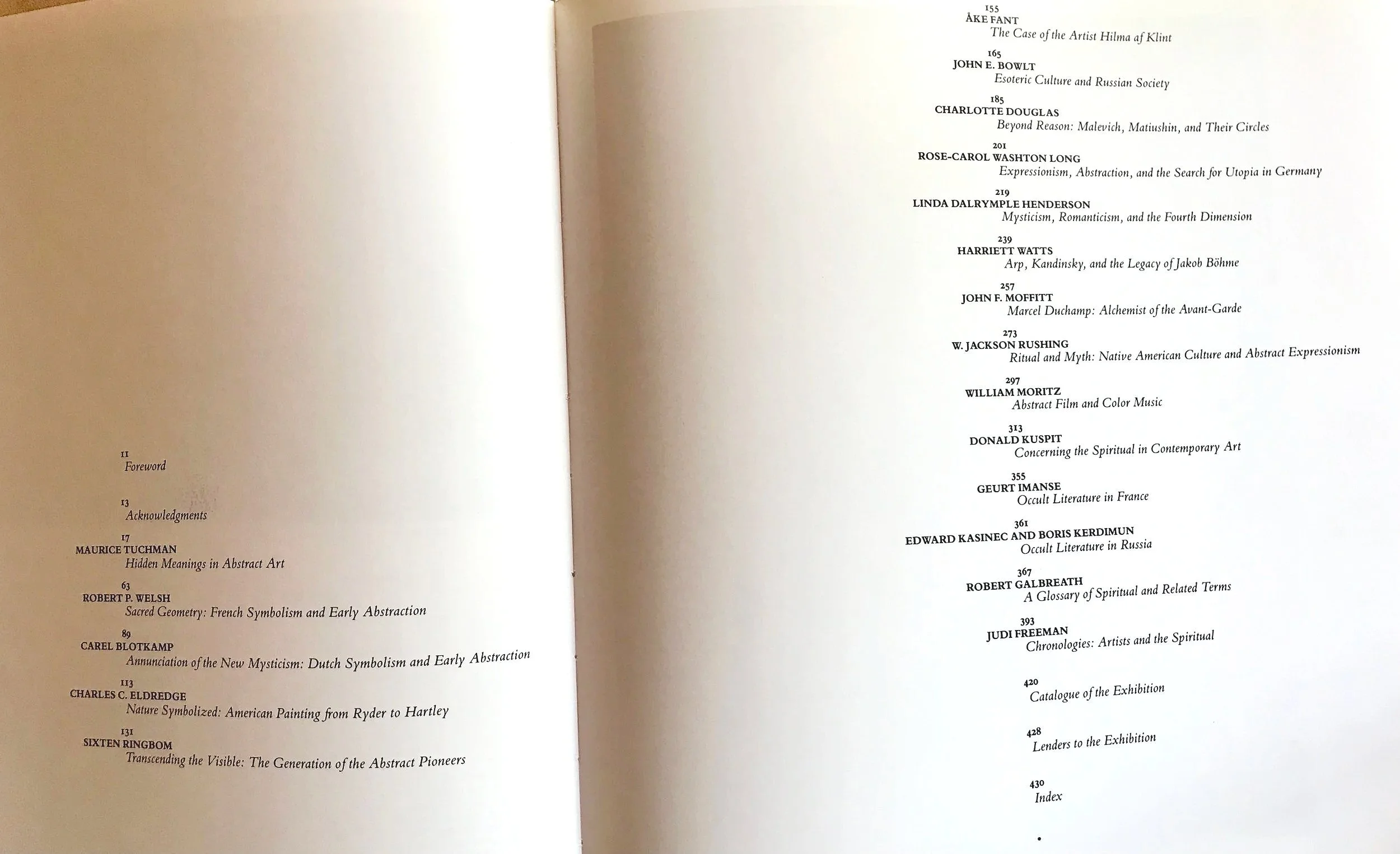
I had never heard the term and in researching it, learned it was derived from a legendary LACMA show curated in 1985 by Maurice Tuchman called “The Spiritual in Art: Abstract Painting 1890-1985”. I immediately ordered a used copy of the book that accompanied the exhibition catalogue, a tome of over 400 pages comprising 19 essays including the first study of Hilma af Klint to be written in English. (In fact, Tuchman identified her as a part of the first Abstractionists 25 years before her Guggenheim show in 2019 that was said to have rewritten the history of Abstraction). In his opening essay, Tuchman groups the artists in his show all together by identifying five underlying impulses within the spiritual-abstract nexus that they all employ: cosmic imagery, vibration, synesthesia, duality, and sacred geometry (p.32). And just like that, with one paragraph, he synthesized all the pieces of what I’ve been reading, investigating and sensing on my own for the better half of a decade. He removes Cubism from being the sole avenue by which an artist could progress from representation to abstraction, and places it into a larger context of Modernist styles that were all seeded from Symbolism which he calls “the mystical wing of the Post-Impressionist generation.” p. 37. My art history up to this point had never included any discussion of these principles much less words such as “cosmic”, “spiritual” or “occult” – rather, I had come to think of Modernism as a broken spiritual and psychological reaction of artists to the destruction left in the wake of the wars and revolutions of the first half of the 20th century. As such, I had been struggling to make sense of myself as an artist working within any kind of coherent historical vein because I do not derive my inspiration from alienation but rather from sensing the individual as part of a divine and universal whole. To read Tuchman’s very in-depth analysis and understand how I fit into his rewritten history handed me a profoundly validating understanding of my own artistic heritage. It was as if an unseen world had suddenly been revealed to me and I instantly knew where I belonged.
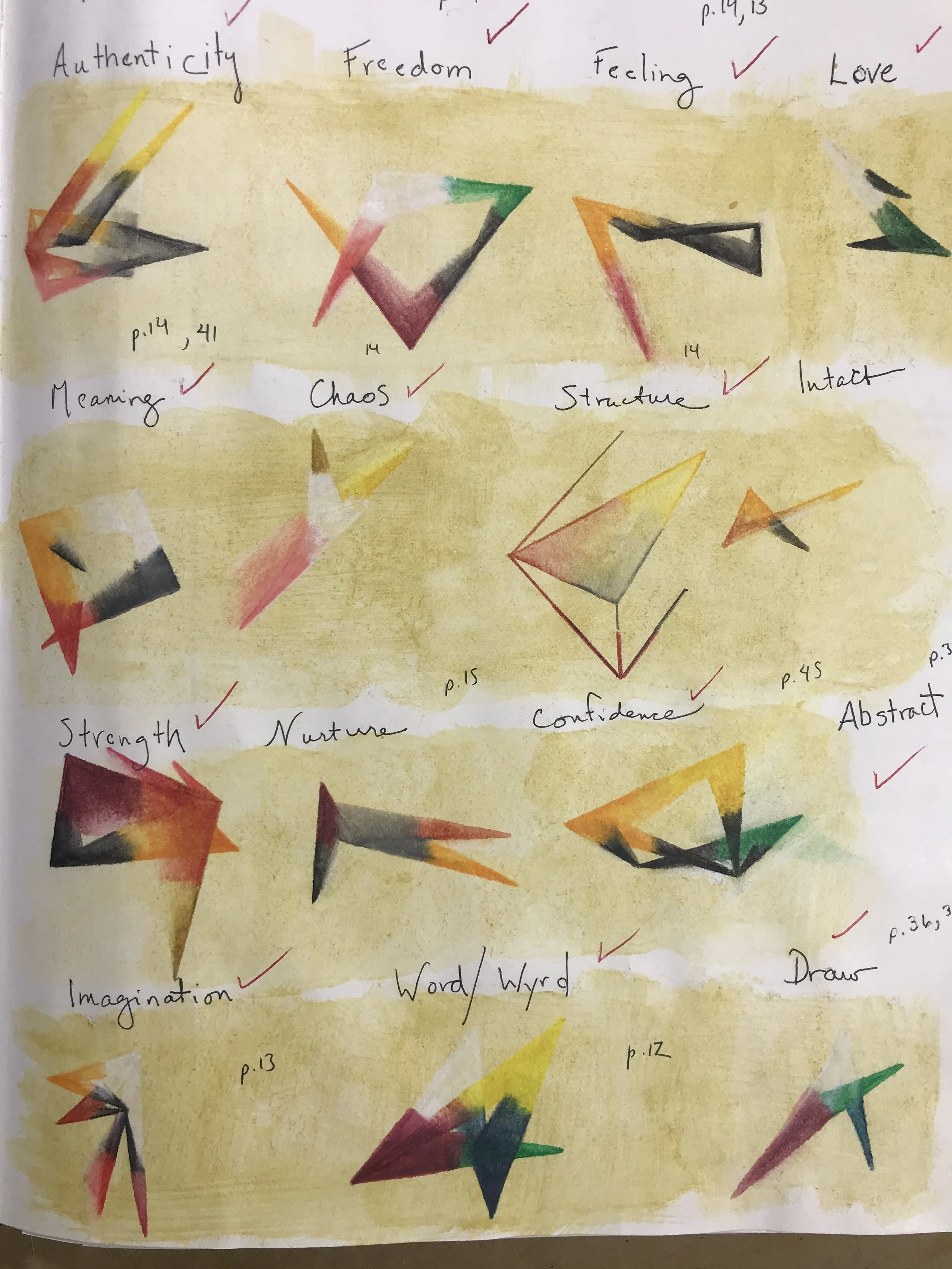
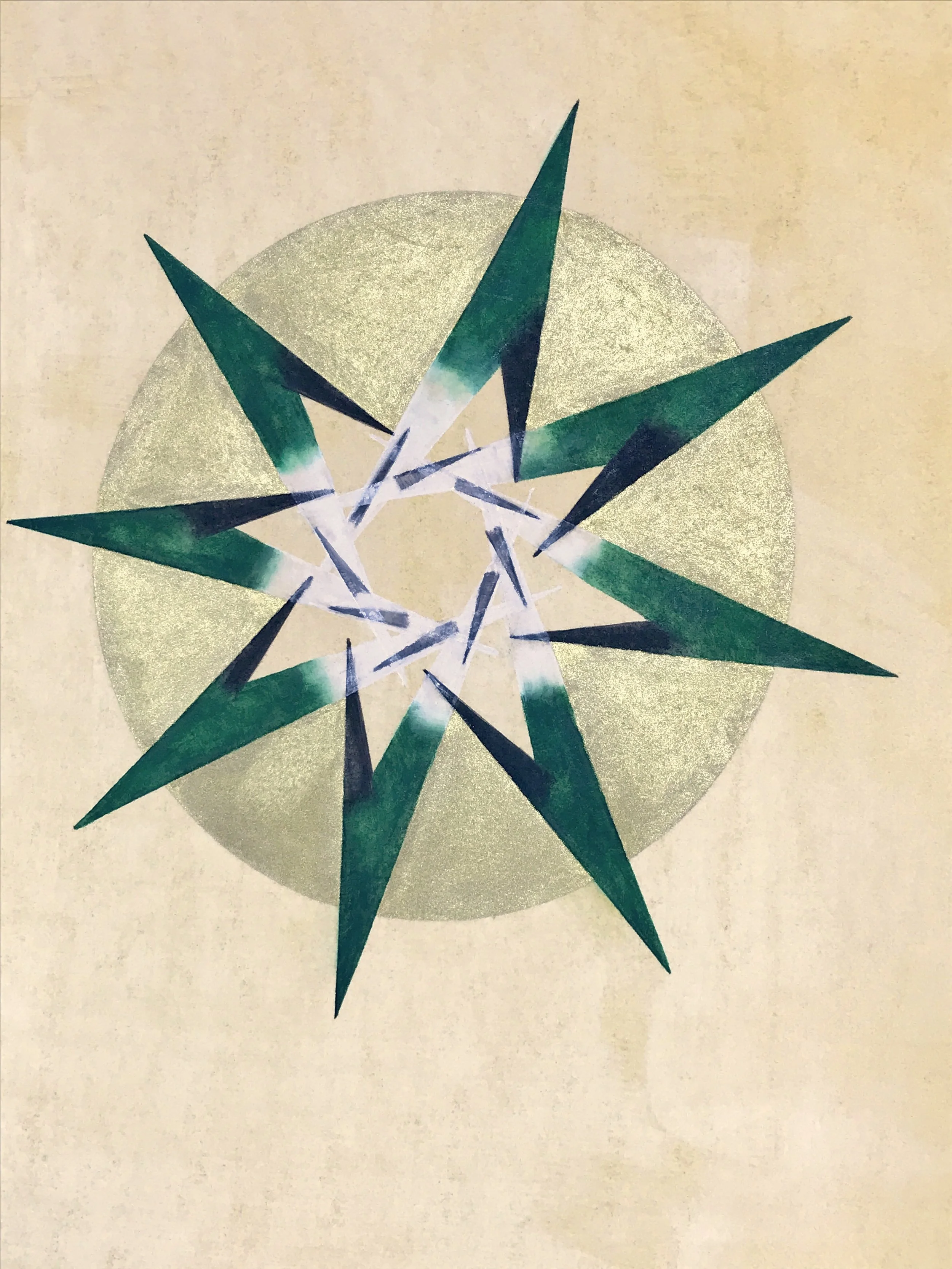
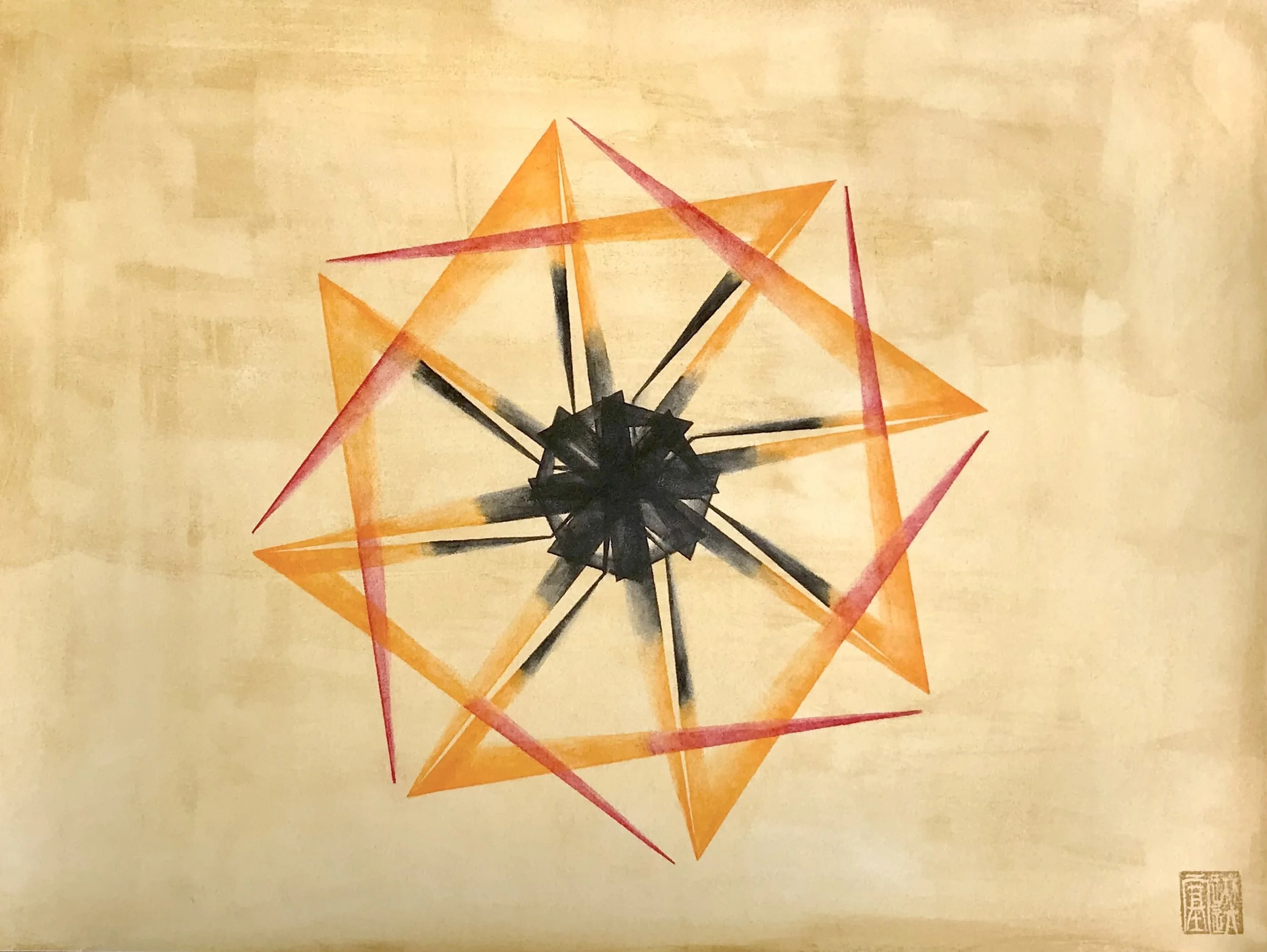
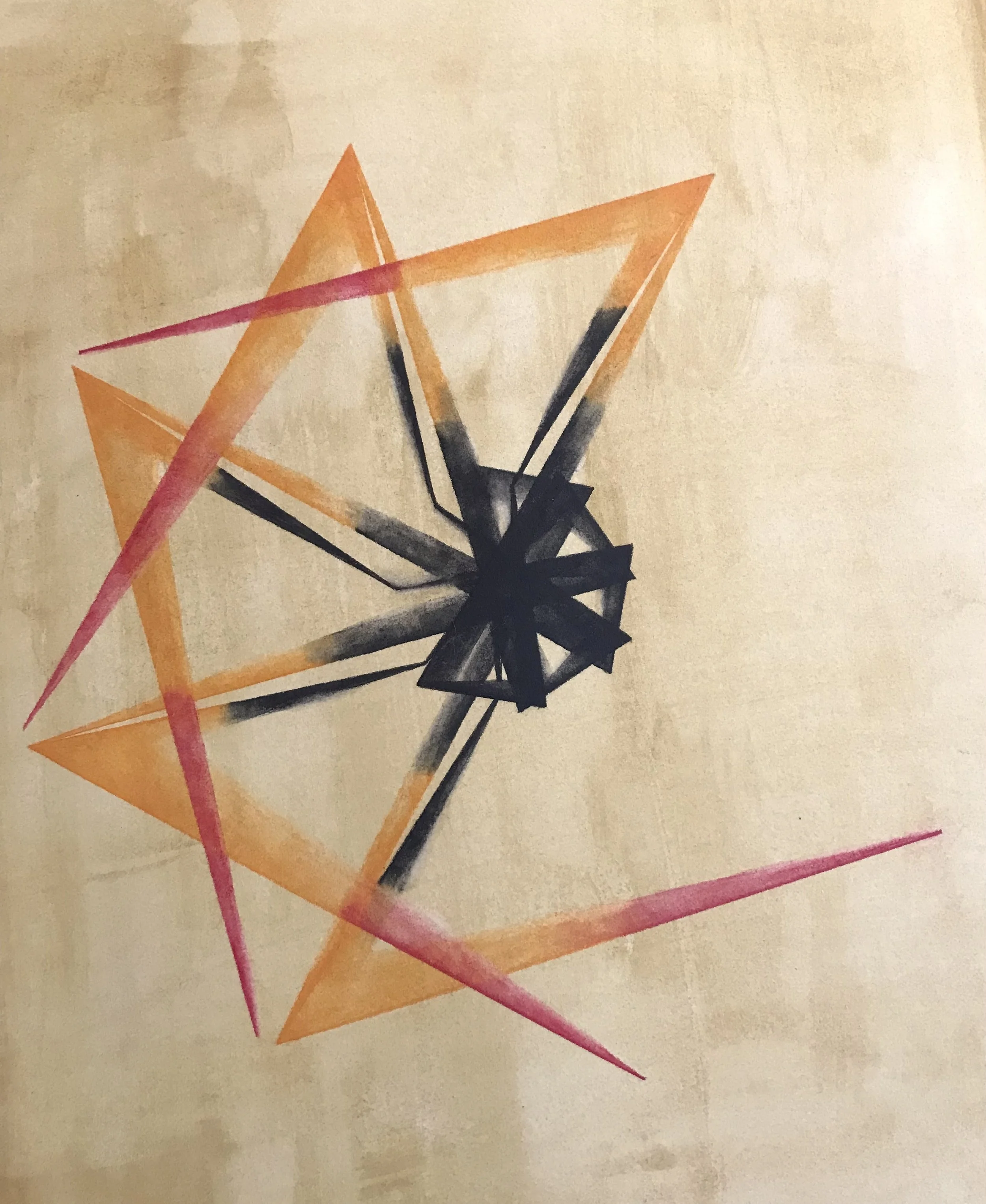
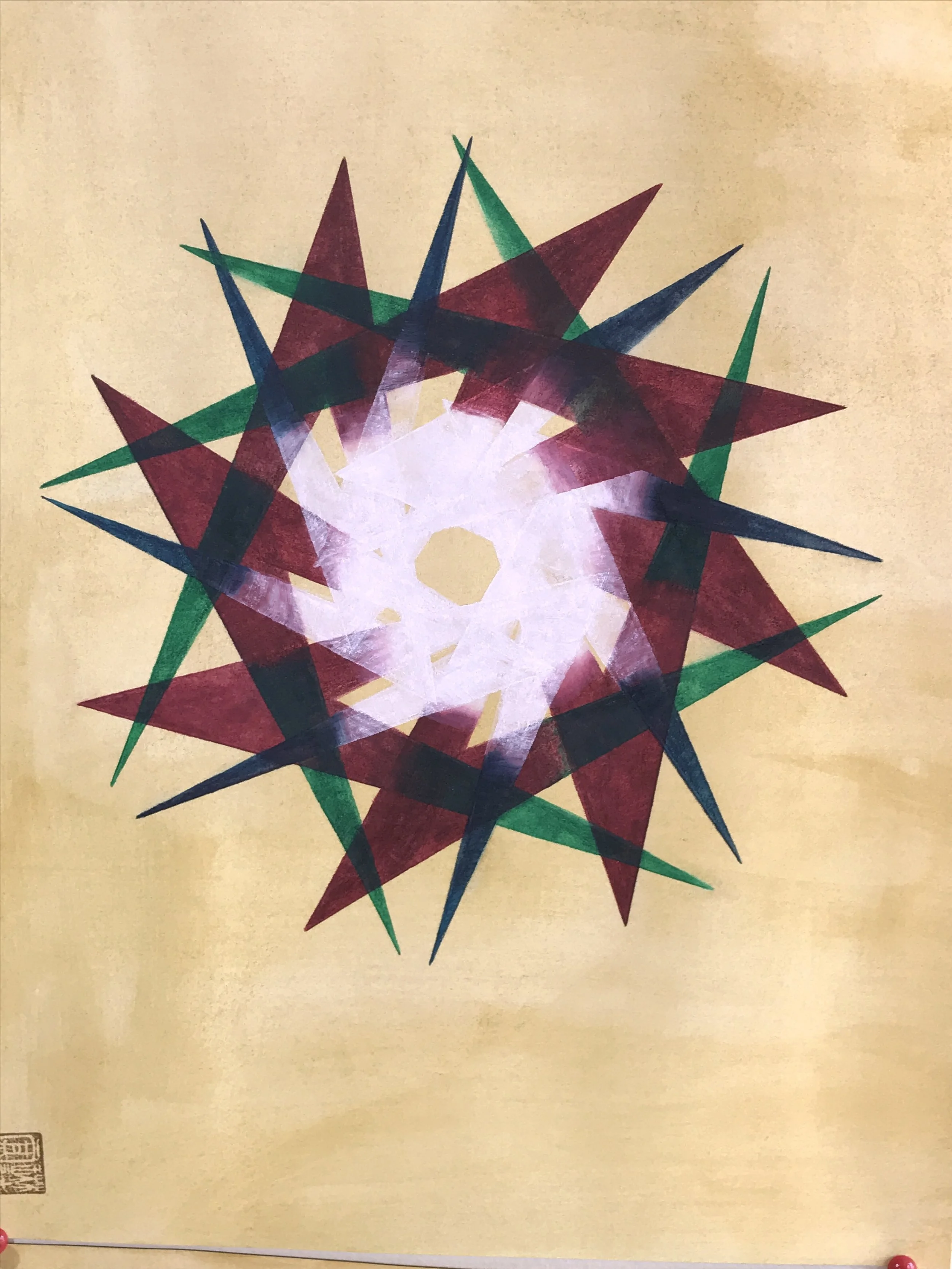
Meanwhile, our family was preparing to move my father into an assisted living facility due to his advancing Alzheimer’s. I embarked on a series of single word rotations which kept me working and focused in the short, disconnected spurts of studio time I managed to get. I’m not thinking of these as compositions unto themselves but rather more as meditations or yantras on power words. In retrospect, I can see how much the finished versions provided me with closure, order and certain beauty. I needed to see how each rotation would play out, even if I find some of the in-progress rotations more interesting…
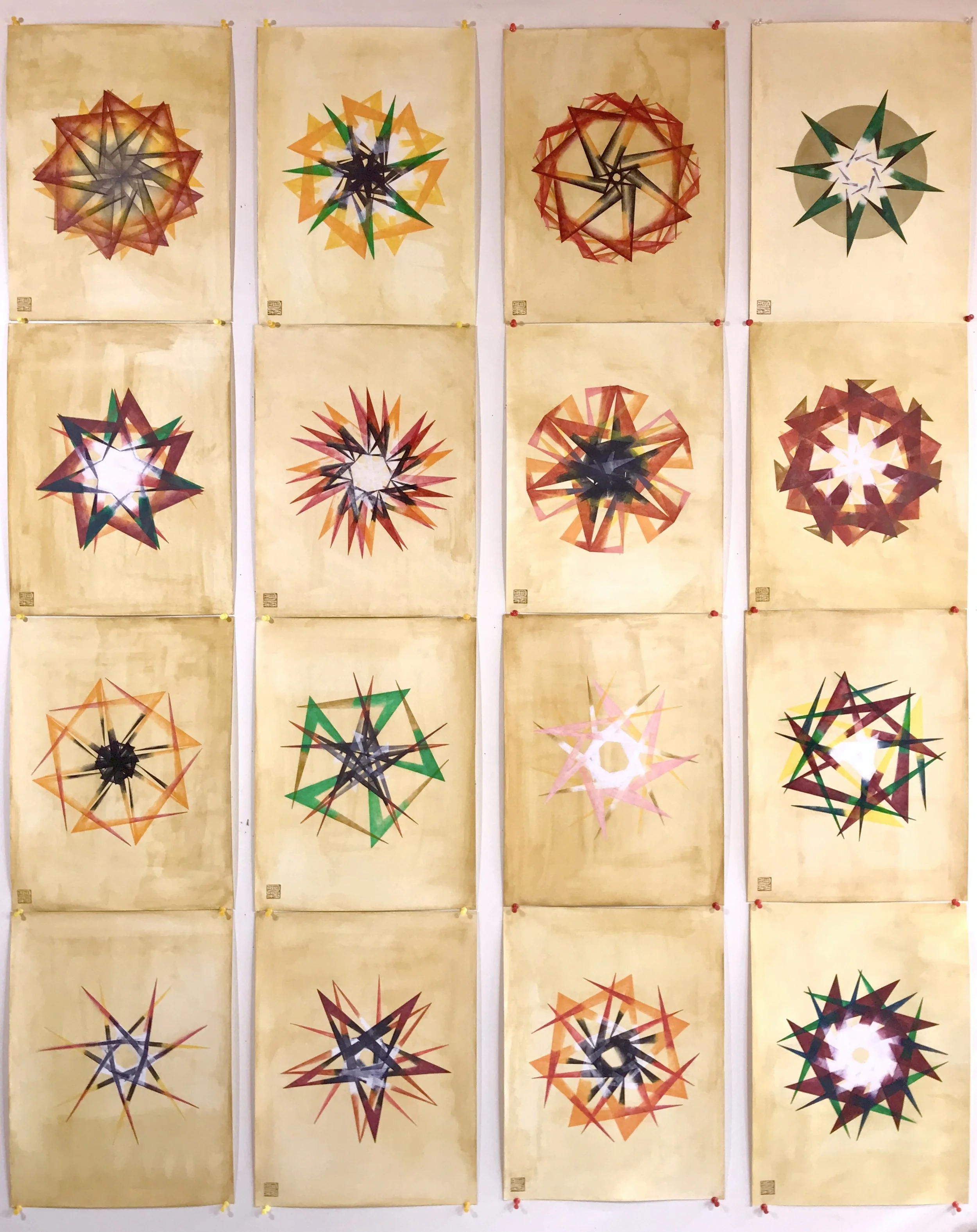
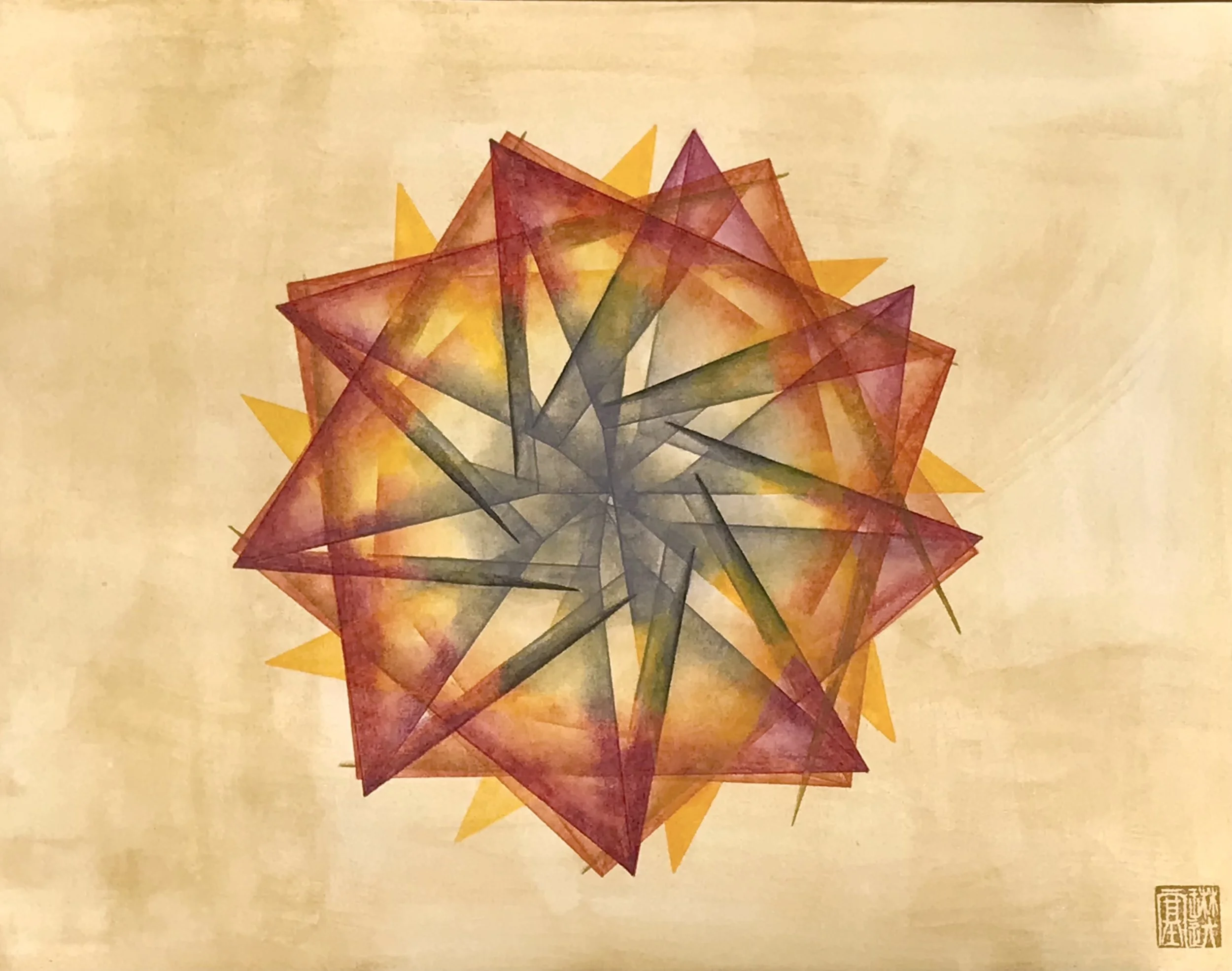
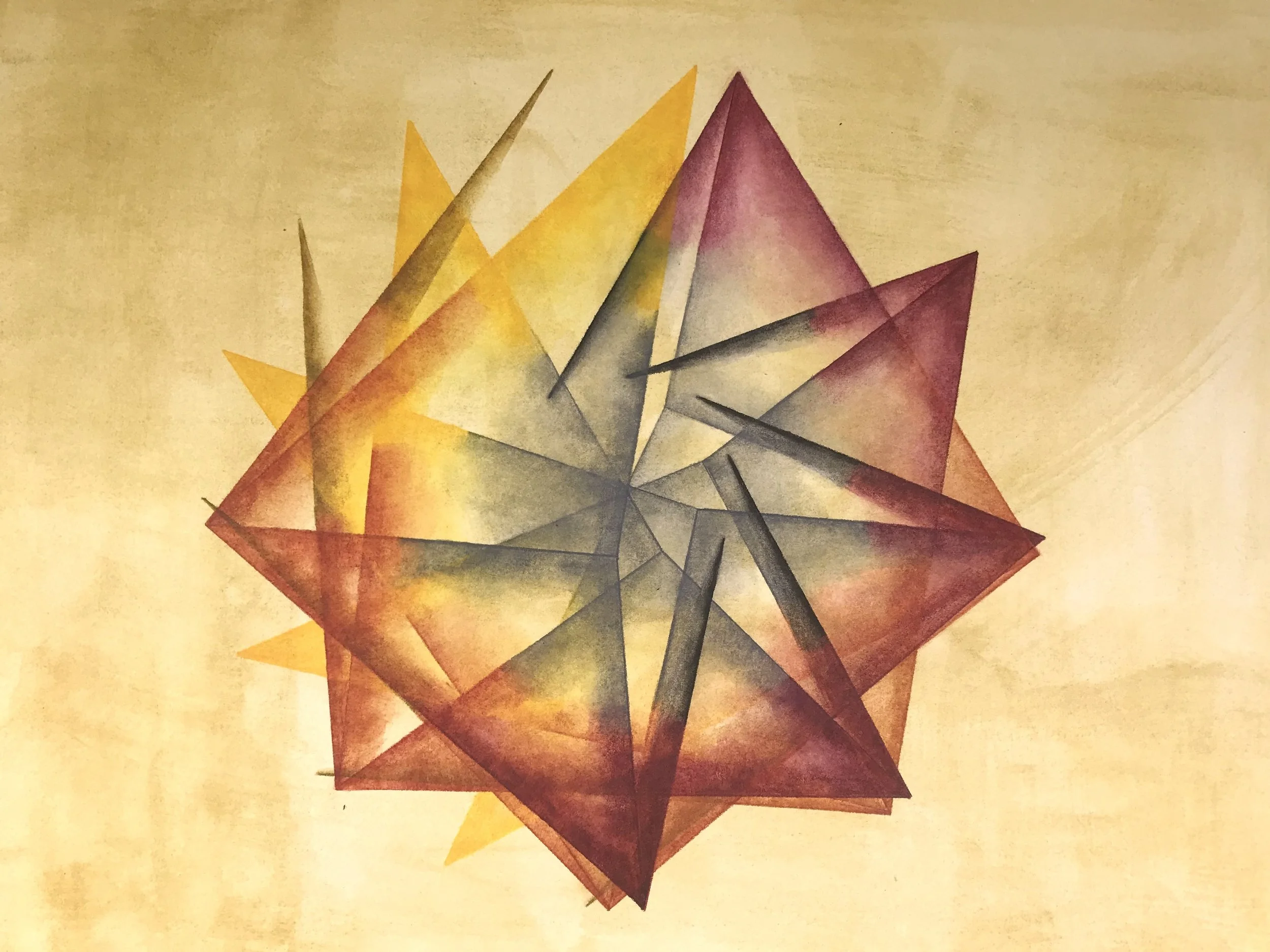
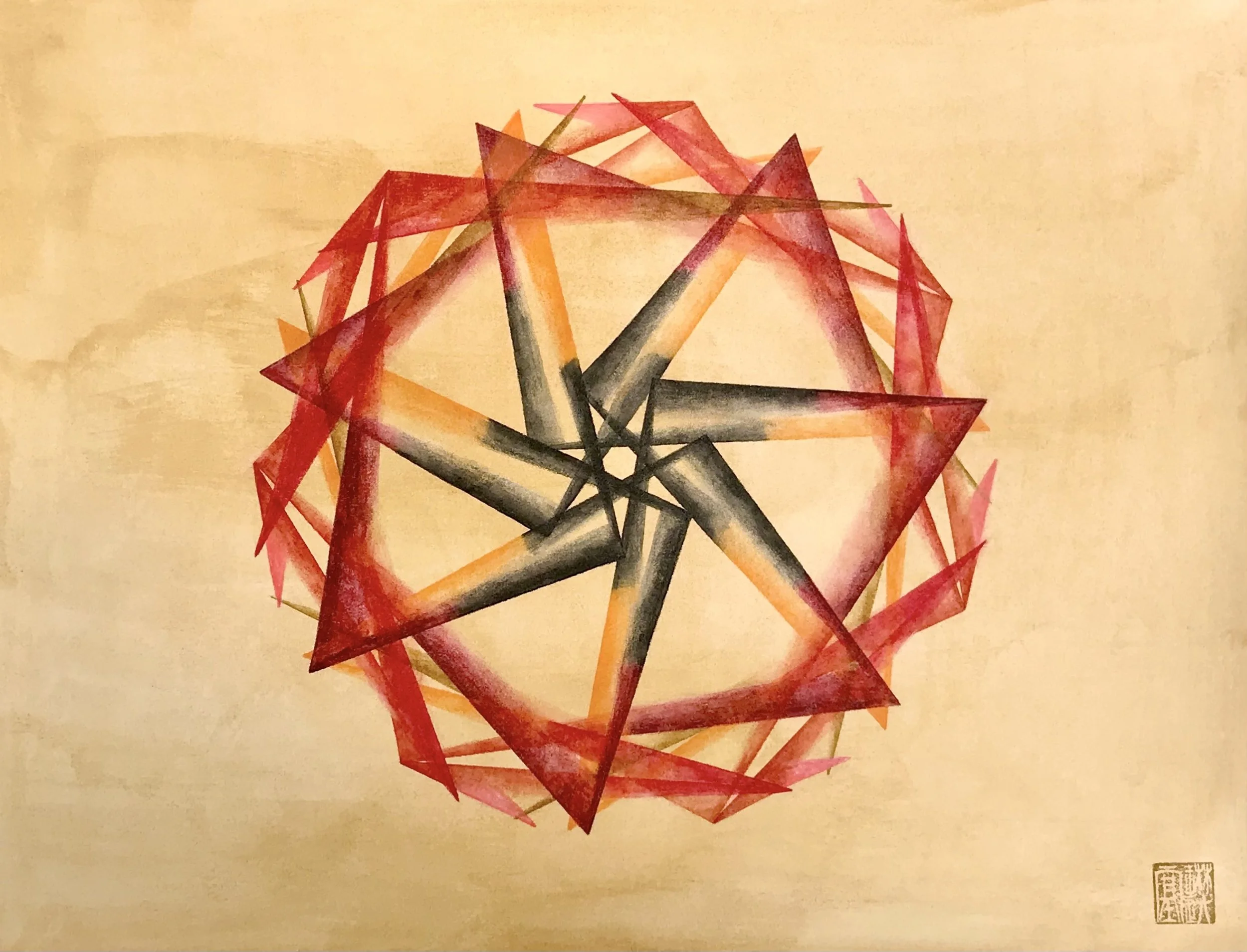
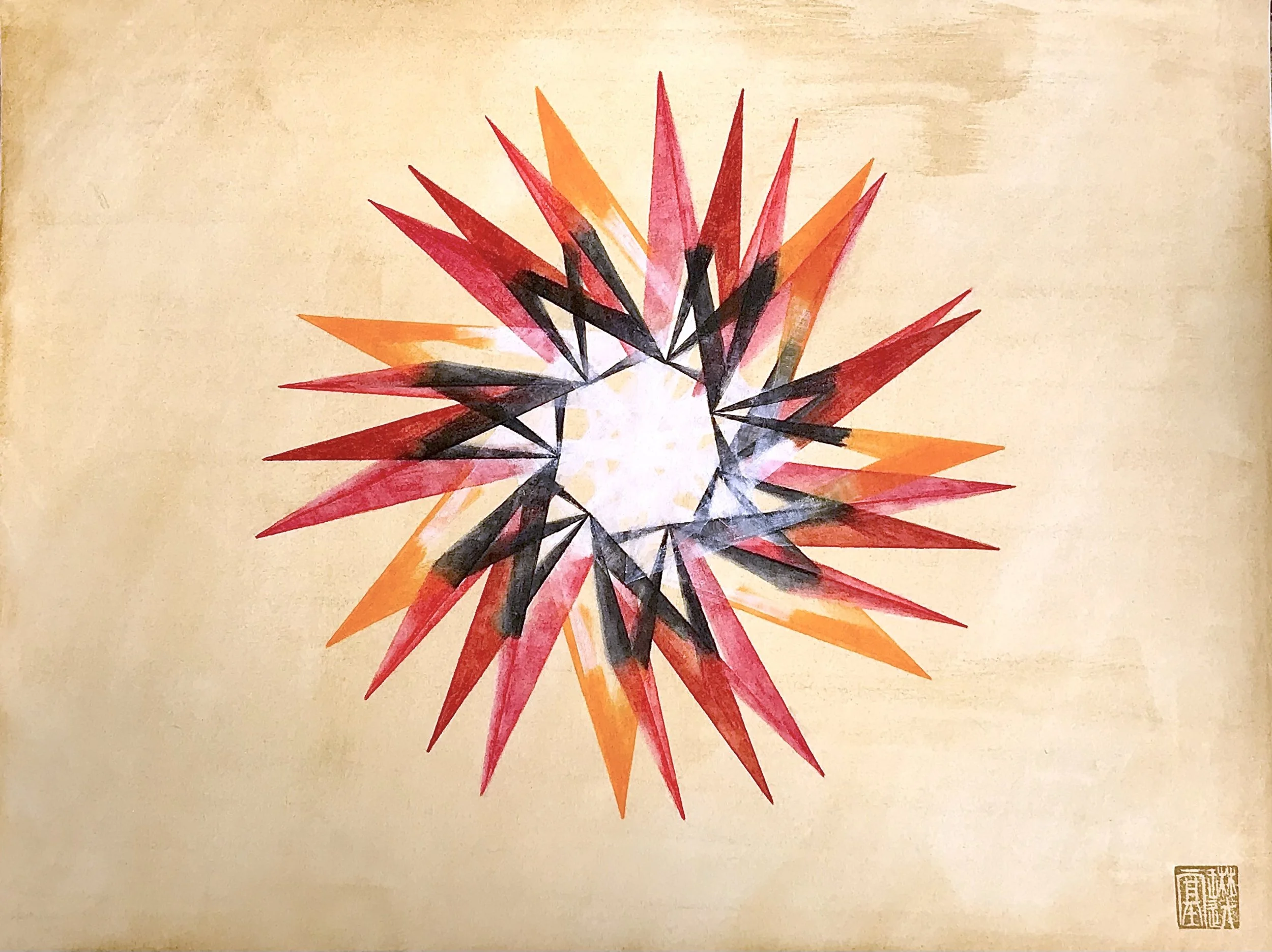
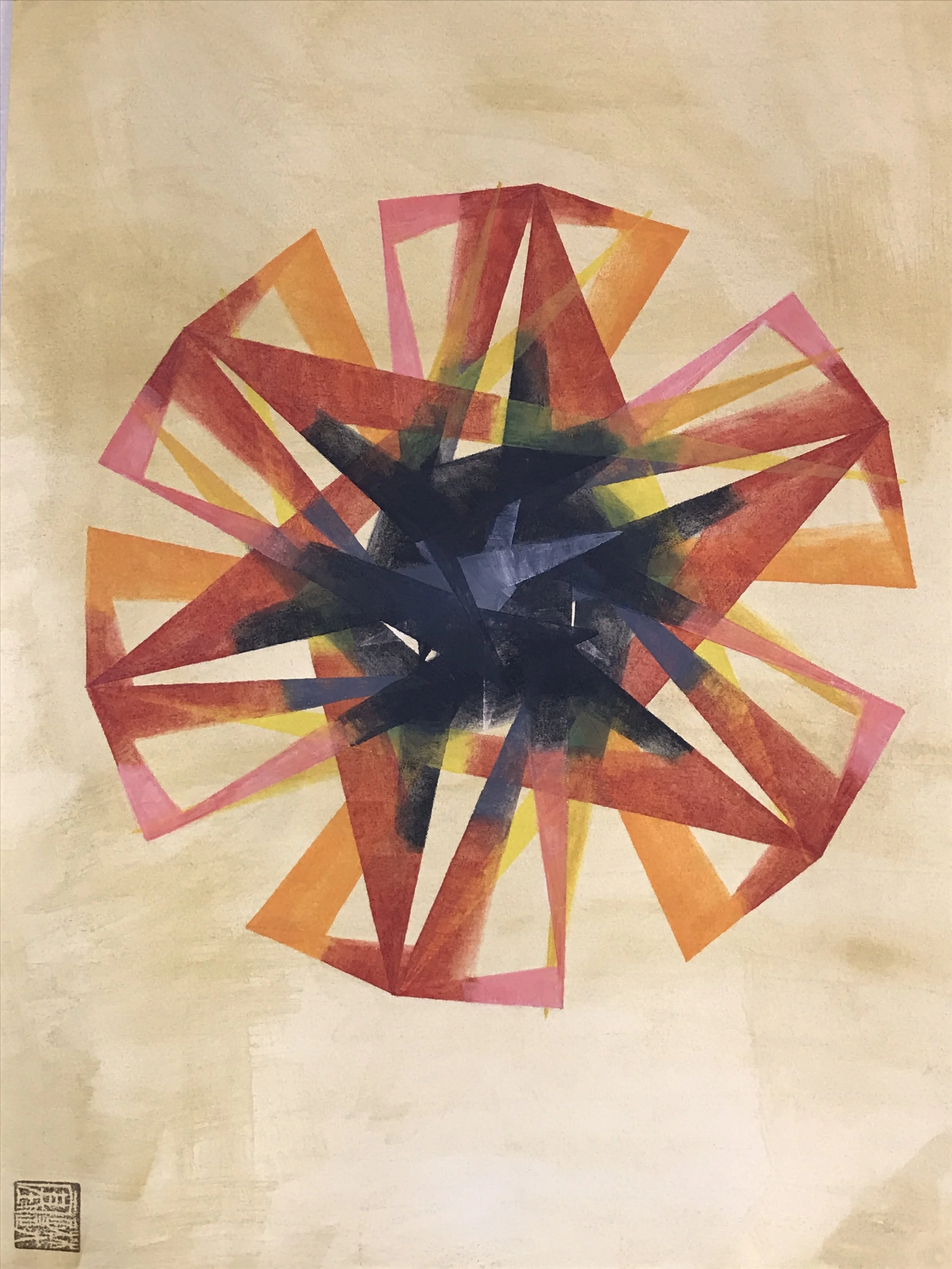
Unfortunately, in February, my dad died.